








How to Stop Procrastination: 7 Proven Strategies to Take Action Now
How to Stop Procrastination and Take Action: Proven Strategies That Really Work
Do you ever say, “I’ll do it later,” and then watch the whole day slip away? Maybe it’s homework, cleaning your room, starting a big project at work, or even replying to an important email. That habit of putting things off is called procrastination. Almost everyone does it sometimes — but if you keep doing it, life gets harder and more stressful.
The good news? You can stop procrastination and start taking action today. This easy-to-read guide shows you simple steps that even a 7th grader can understand and use right away. We’ll explain why procrastination happens, what it really costs you, and the best science-backed tricks to beat it for good.
Procrastination isn’t about being lazy. It’s usually about feelings like fear, overwhelm, or not knowing where to start. Once you understand it, you can change it. Let’s get started and learn how to stop procrastination once and for all!
What Is Procrastination?
Procrastination means delaying something you know you should do, even when you know it will cause problems later. It’s not the same as resting or planning ahead. It’s when you choose something fun or easy instead of the important task.
Example: You scroll on your phone instead of studying for a test, or you wait until the night before to write a report. Research shows that about 20% of adults are chronic procrastinators, and up to 95% of college students procrastinate sometimes. You’re definitely not alone — but you don’t have to stay stuck!
Why Do People Procrastinate?
Understanding the “why” is the first big step to stop procrastination. It’s usually not about bad time management — it’s about how your brain and emotions work.
- Fear of failure or perfectionism – You worry the work won’t be perfect, so you avoid starting.
- Feeling overwhelmed – The task looks too big, like climbing a huge mountain.
- Lack of motivation – The reward feels far away, so your brain picks something fun right now.
- Distractions everywhere – Phones, games, and social media give quick “happy” feelings.
- Low self-confidence – You doubt you can do it well.
Psychologists explain that procrastination is often an “emotion regulation” problem. Your brain wants to feel good right now, even if it hurts later. The great news? Small changes can rewire this habit completely.
The Hidden Costs of Procrastination
Procrastination might feel harmless at first, but it adds up fast. It can cause more stress, lower grades or work performance, and even health issues like anxiety or trouble sleeping.
When you delay, you create last-minute panic. The rush might get the job done, but the quality usually suffers, and you feel bad afterward. Over time, it can hurt your confidence and relationships. Learning to stop procrastination brings better results, less stress, and more free time for the things you actually enjoy.
7 Practical Steps to Stop Procrastination and Take Action
Ready to finally take action? These seven simple strategies are proven to work. They come from experts like James Clear (author of Atomic Habits) and real scientific studies. Start with just one or two — you don’t have to do everything at once!
1. Use the 2-Minute Rule to Get Started Fast
James Clear’s “2-Minute Rule” is a game-changer for stopping procrastination. Make the first step so easy it takes less than two minutes.
Instead of “Write a whole essay,” say “Open my notebook and write one sentence.” Once you start, momentum kicks in and it becomes much easier to keep going.
Quick tip: If a task takes less than two minutes, do it right now — no excuses!
2. Try the Pomodoro Technique for Focused Work
The Pomodoro Technique (named after a tomato-shaped timer) breaks work into short bursts:
- Work for 25 minutes straight.
- Take a 5-minute break.
- After four rounds, take a longer 15–30 minute break.
Studies show this method boosts focus, reduces tiredness, and helps you finish tasks faster. Use your phone timer or any free app.
3. Break Big Tasks into Tiny Steps
Big tasks feel scary, so slice them like a pizza. Write a list of small actions.
Example: “Clean my room” becomes:
- Pick up clothes (5 minutes)
- Make the bed
- Dust the shelves
This reduces overwhelm and gives you quick wins that build confidence.
4. Set SMART Goals
Vague goals like “Study more” lead to procrastination. Use SMART goals instead:
- Specific
- Measurable
- Achievable
- Relevant
- Time-bound
Bad example: “Exercise sometime.”
Good example: “Walk for 20 minutes after school today.”
5. Design Your Environment to Help You Succeed
Your surroundings matter a lot! Make it easy to start and hard to get distracted.
- Put your phone in another room during work time.
- Keep your desk clean with only what you need.
- Work in a quiet spot.
6. Find Accountability and Rewards
Tell a friend or family member your goal so they can check in on you. Or join a study group. Knowing someone expects results pushes you to act.
Also build in rewards: Finish a Pomodoro? Enjoy a snack or short game. Rewards train your brain to link hard work with good feelings.
7. Practice Self-Compassion
Be kind to yourself! If you slip up, don’t beat yourself up. Studies show that self-forgiveness actually helps you procrastinate less next time.
Simply say: “It’s okay. Everyone struggles sometimes. What’s one small step I can take right now?”
Quick Reference: Common Triggers and Fixes
| Trigger | Quick Fix | Why It Works |
|---|---|---|
| Feeling overwhelmed | Break task into 2-minute steps | Reduces fear |
| Phone distractions | Use Pomodoro + put phone away | Builds focus |
| Fear of not being perfect | Start messy — just begin | Momentum beats perfection |
| No motivation | Add a reward after each step | Trains your brain positively |
| Forgetting tasks | Write a visible to-do list | Keeps goals top of mind |
Helpful Free Tools to Make It Easier
- Timer apps for Pomodoro (try Focus Booster or just your phone timer)
- To-do list apps (Todoist or even a simple notebook)
- Website blockers (like Freedom) to stop social media during work time
You don’t need expensive tools — these free options support your new habits without adding stress.
Building Long-Term Momentum
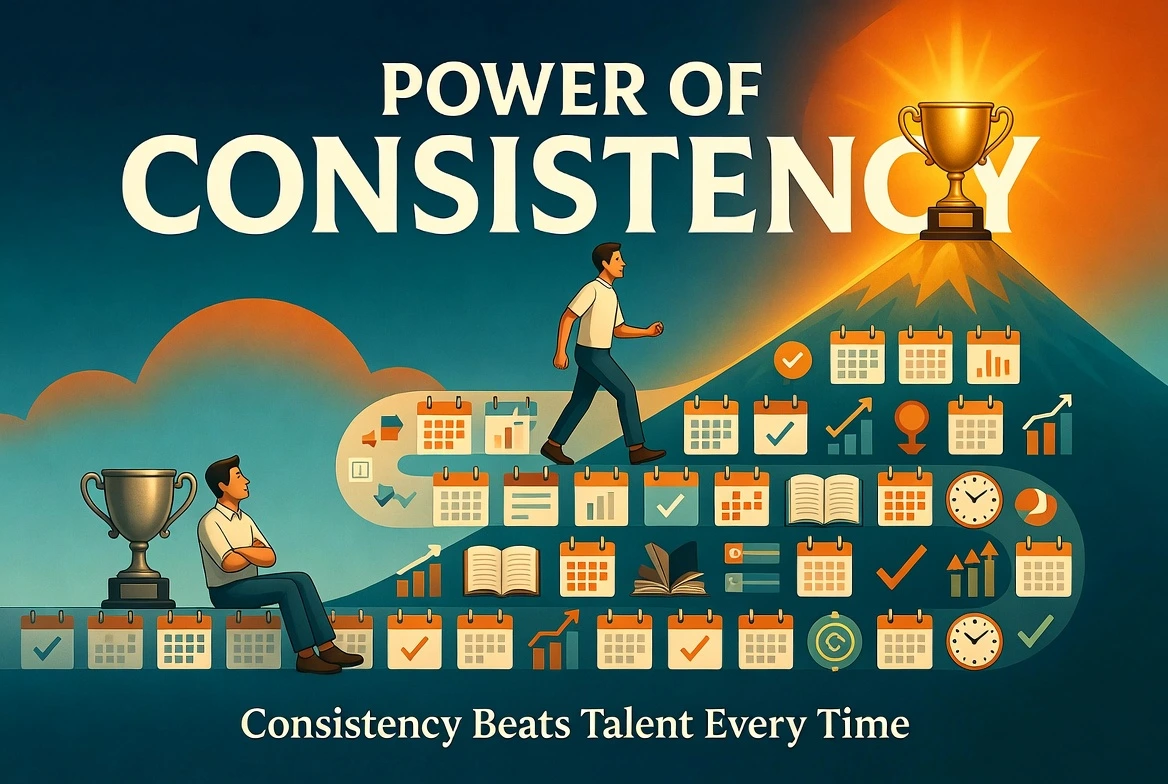
Stopping procrastination isn’t a one-day fix — it’s about building better habits. Start small, stay consistent, and track your wins in a journal. Over a few weeks, you’ll notice you take action faster and feel more in control of your life.
Remember: Progress is more important than perfection. Some days will be harder, but that’s completely normal. Keep going!
Common Mistakes to Avoid
- Waiting for “perfect motivation” — it rarely comes. Action creates motivation.
- Trying too many changes at once. Pick one strategy first.
- Being too hard on yourself. Kindness always wins.
Conclusion: Take Action Today and Stop Procrastination for Good
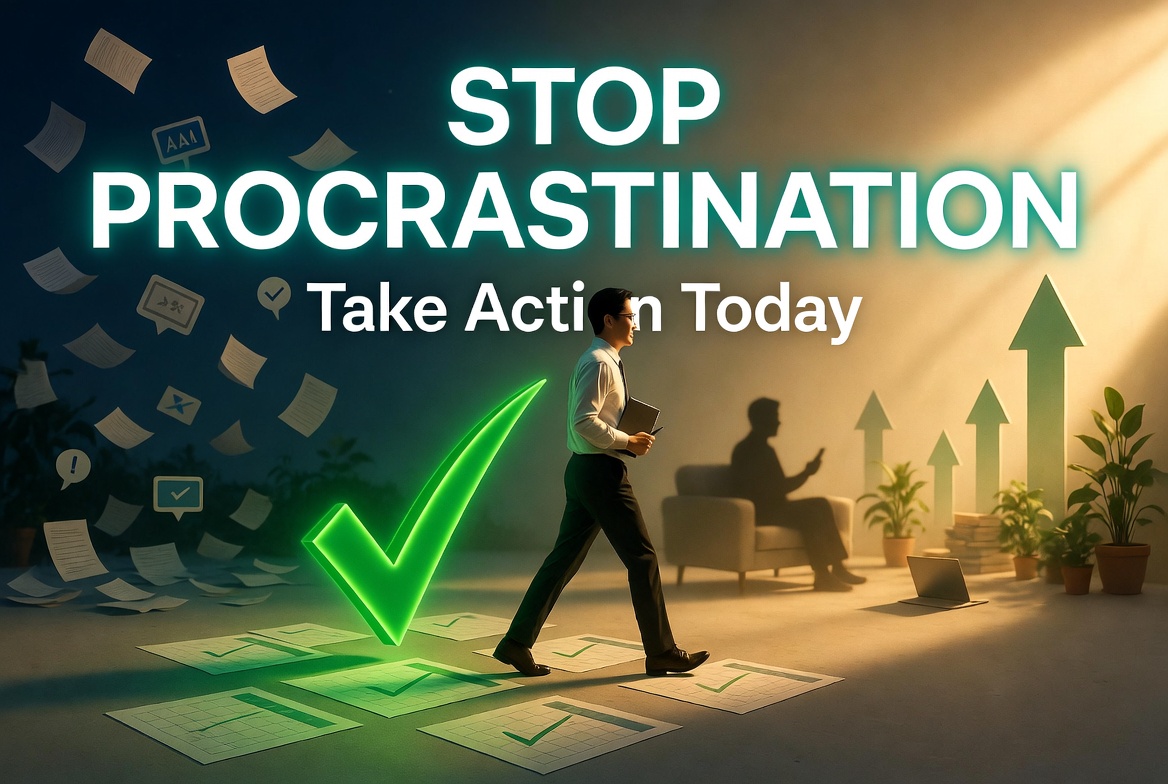
You now have everything you need to stop procrastination and start taking action. Remember: It all begins with one tiny step. Pick just one strategy from this article — like the 2-Minute Rule — and try it right now.
Imagine how great you’ll feel when tasks get done early, stress disappears, and you have more time for the things you love. You’ve got this! Small changes today lead to big results tomorrow.
What’s one thing you’ll do in the next two minutes to get started? Go do it — you deserve the win.

