







Success Mindset: How Successful People Think Differently in 2026

How Successful People Think Differently: Building a Powerful Success Mindset
Have you ever looked at someone who seems to achieve big goals easily and wondered, “What’s their secret?” It’s not always about being the smartest person in the room or getting lucky breaks. The real difference often comes down to one thing: how they think. This special way of thinking is called a success mindset.
People with a success mindset see challenges as chances to grow instead of problems to avoid. They keep going when things get tough, and they focus on learning every day.
A success mindset is the belief that you can improve your skills, reach your goals, and create a better life through effort, smart choices, and the right attitude. Psychologist Carol Dweck from Stanford University studied this idea for years. Her research shows that people who believe abilities can grow (a growth mindset) do better in school, work, and life than those who think talents are fixed and unchangeable.
What Is a Success Mindset and Why Does It Matter?
A success mindset is like a pair of special glasses that help you see opportunities everywhere. Instead of saying “I can’t,” successful people say “I can’t yet.” They focus on solutions, not excuses.
Studies from large tests like the PISA (Program for International Student Assessment) found that students with this mindset scored much higher in reading, math, and science—sometimes by 30 points or more—because they worked harder and bounced back from mistakes faster.
This mindset matters because life throws curveballs at everyone. Without it, small setbacks can stop you. With it, you turn those setbacks into stepping stones. Successful people like Elon Musk (founder of Tesla and SpaceX), Bill Gates (co-founder of Microsoft), and Oprah Winfrey all credit their achievements to how they trained their minds to think positively and persistently.
They Embrace a Growth Mindset Instead of a Fixed One
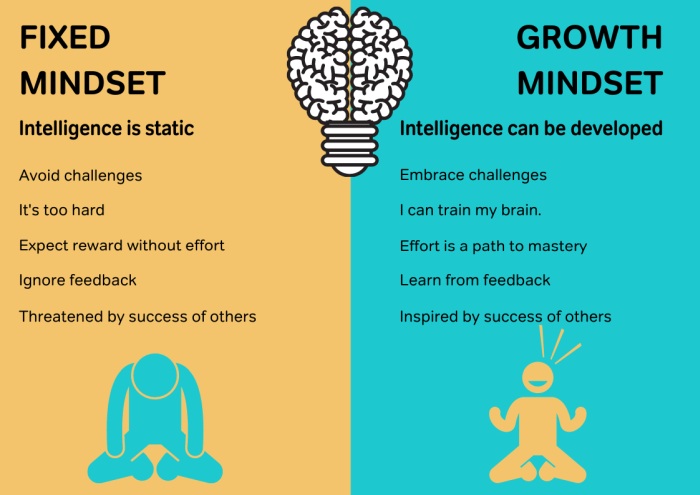
One of the biggest differences is how successful people view their own abilities. Carol Dweck calls this the growth mindset. Here is a simple comparison:
| Aspect | Fixed Mindset (Average Thinking) | Growth Mindset (Success Mindset) |
|---|---|---|
| Belief about abilities | “I’m just not smart in math.” | “I can get better at math with practice.” |
| Response to challenges | Avoid them because they feel scary. | Embrace them because they help you grow. |
| View of effort | “If it’s hard, it means I’m not good at it.” | “Effort makes my brain stronger.” |
| Reaction to feedback | Ignore it or get upset. | Learn from it and improve. |
| View of others’ success | Feel jealous or threatened. | Feel inspired and learn from them. |
This table shows why the success mindset wins. In a growth mindset, your brain actually forms new connections when you push through hard tasks. Successful people train themselves to think this way every day.
Bill Gates once said, “Success is a lousy teacher. It seduces smart people into thinking they can’t lose.” He reads for hours every day and keeps learning new things, showing a true growth mindset.
They See Failure as a Teacher, Not an Enemy
Most people hate failing. They feel embarrassed and want to quit. Successful people think differently. They treat failure like a coach who teaches them what to do better next time.
Think about Michael Jordan. He was cut from his high school basketball team but became one of the greatest players ever because he used that pain as fuel. Thomas Edison tried thousands of times before inventing the light bulb. He said, “I have not failed. I’ve just found 10,000 ways that won’t work.”
Oprah Winfrey was fired from her first TV job and told she was “unfit for television.” Today she is a billionaire media leader. She explains that changing how you think about failure changes everything. A success mindset turns “I failed” into “What can I learn?”
They Focus on Lifelong Learning and Curiosity
Successful people never stop learning. They follow what some call the “5-hour rule”—spending at least five hours a week on reading, thinking, or experimenting. Warren Buffett, one of the world’s richest investors, reads 500 pages a day! He says knowledge builds up like compound interest in a bank account.
Elon Musk taught himself rocket science by reading books when he started SpaceX. He did not go to special schools for it—he just kept asking questions and learning.
You do not need to be a genius. Start small: read 20 pages a day or watch one educational video. Curiosity is a superpower in the success mindset.
They Think Long-Term and Practice Patience
Quick wins feel nice, but successful people play the long game. They delay fun now for bigger rewards later. Warren Buffett calls this “long-term thinking.” He says his favorite holding period for investments is “forever.”
In everyday life, this means saving money instead of spending it all, studying instead of scrolling on your phone, or practicing a skill even when you do not see instant results. The famous marshmallow test showed that kids who waited for two marshmallows instead of eating one right away grew up to have better grades and more success.
They Stay Positive, Grateful, and Solution-Focused
A success mindset includes looking for the good in every situation. Successful people practice gratitude—they write down three things they are thankful for each day. This keeps their minds strong and hopeful.
They also focus on solutions. When a problem appears, they ask, “How can I fix this?” instead of “Why does this always happen to me?” This positive thinking helps them stay calm and creative.
Real-Life Examples of the Success Mindset in Action
- Oprah Winfrey: Overcame poverty and hardship by focusing on learning and helping others.
- Bill Gates: Dropped out of Harvard but kept learning and building Microsoft into a giant company.
- Elon Musk: “When something is important enough, you do it even if the odds are not in your favor.” He risked everything for his companies.
These stories prove that the success mindset works for anyone, no matter where you start.
Practical Steps to Build Your Own Success Mindset
You can start developing a success mindset today. Here are easy steps anyone can follow:
- Set small, clear goals every week and celebrate progress.
- Learn from mistakes: After something goes wrong, ask “What is one thing I can do differently next time?”
- Read or learn something new for 20 minutes daily.
- Practice gratitude: Write three good things before bed.
- Surround yourself with positive people who support your dreams.
- Take small risks: Try a new hobby or speak up in class.
- Use positive self-talk: Replace “I can’t” with “I can learn this.”
- Review your day: Spend two minutes thinking about what went well and what to improve.
These habits may feel small, but they add up like compound interest—just like Warren Buffett says.
Final Thoughts: Your Success Mindset Starts Now
Successful people are not born different. They simply trained their minds to think in ways that create opportunities and overcome obstacles. By adopting a growth mindset, learning from failure, staying curious, thinking long-term, and staying positive, you too can build a powerful success mindset.
Remember, change does not happen overnight. Start with one or two ideas from this article this week. Over time, you will notice yourself handling challenges better, feeling more confident, and moving closer to your dreams.
What will you do today to strengthen your success mindset? Pick one tip, try it, and watch how your life begins to change. You have everything inside you to succeed—the only difference is how you choose to think.
Sources & Further Reading
Carol Dweck’s book Mindset: The New Psychology of Success, studies from Stanford University and PISA international assessments, and insights from leaders like Warren Buffett, Elon Musk, and Oprah Winfrey.

